
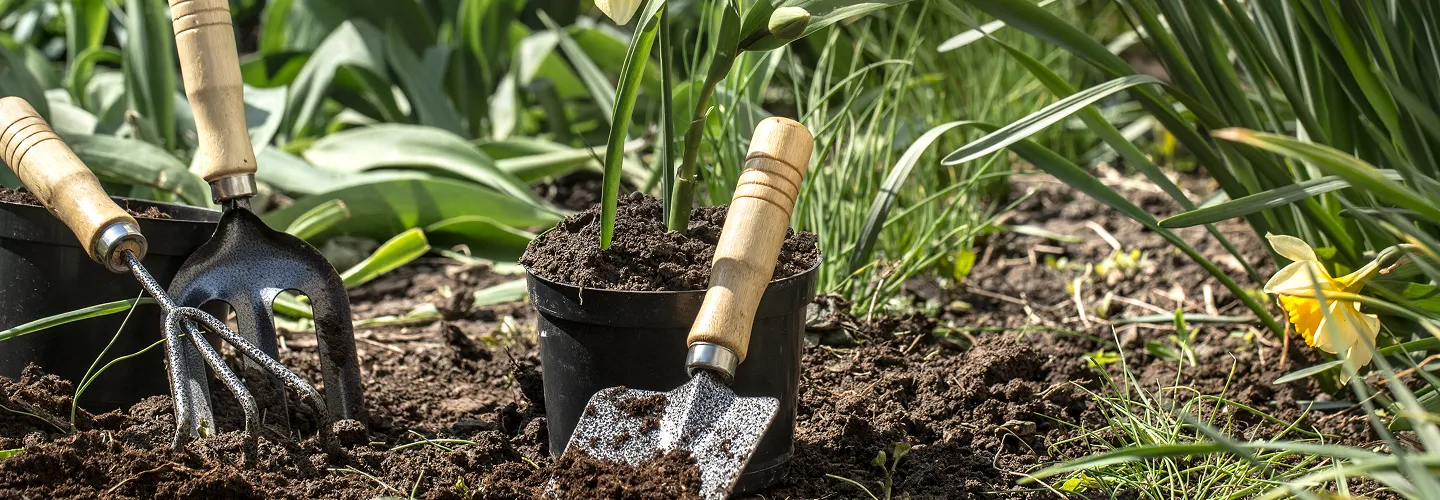
Lake Jackson Lawn Leveling Services
Choose our expert lawn leveling services for a smoother, healthier yard that enhances curb appeal, prevents drainage issues, and creates the ideal foundation for lush, vibrant grass.
Get a Free QuoteOur Lake Jackson Landscaping & Yard Care Services
When to Schedule Lawn Leveling in Lake Jackson, Texas – Seasonal Guide
In Lake Jackson, Texas, the best time to schedule lawn leveling is typically during late spring or early fall. These seasons offer moderate temperatures and consistent rainfall, which help newly leveled lawns recover quickly and establish healthy growth. The region’s subtropical climate, with its humid summers and mild winters, means that avoiding the peak heat of July and August—as well as the wetter winter months—can yield the best results for your yard. Neighborhoods near MacLean Park and the Lake Jackson Historical Museum often experience unique microclimates due to varying shade coverage and proximity to water, so timing may differ slightly depending on your location.
Local environmental factors such as the area’s clay-heavy soils, risk of late spring frost, and occasional drought conditions should all be considered when planning your project. For example, properties in the Plantation Village area may face more shade and moisture retention, while those closer to Oyster Creek may need to account for higher humidity and fluctuating water tables. For more information on local regulations and best practices, visit the official city resource.
Local Factors to Consider for Lawn Leveling in Lake Jackson
- Tree density and shade coverage, especially in established neighborhoods
- Soil composition (clay vs. sandy soils)
- Average precipitation and risk of drought
- Proximity to water features like Oyster Creek
- Municipal restrictions or seasonal guidelines
- Terrain slope and drainage patterns
Benefits of Lawn Leveling in Lake Jackson

Enhanced Curb Appeal
Improved Lawn Health
Efficient Water Drainage
Safer Outdoor Spaces
Easier Lawn Maintenance
Increased Property Value

Lake Jackson Lawn Leveling Types

Topdressing Lawn Leveling
Topdressing involves spreading a thin layer of soil or sand over the lawn to correct minor unevenness.
-
Sand Leveling
Sand leveling is used to fill low spots and improve drainage in lawns with persistent uneven areas.
-
Soil Amendment Leveling
This method uses a mix of soil and organic matter to level the lawn and enhance soil health.
-
Sod Replacement Leveling
Damaged or severely uneven areas are removed and replaced with new sod for a smooth, even surface.
-
Grading and Resloping
Grading adjusts the overall slope of the lawn to ensure proper water runoff and prevent pooling.
-
Core Aeration Leveling
Core aeration helps relieve soil compaction and can be combined with leveling to improve lawn health.
Our Lawn Leveling Process
Site Evaluation
Soil Preparation
Leveling Application
Compaction
Final Inspection
Why Choose Lake Jackson Landscape Services
-
Lake Jackson Homeowners Trust Us
-
Expert Lawn Maintenance
-
Reliable Scheduling
-
Competitive Pricing
-
Professional Team
-
Satisfaction Guarantee
-
Personalized Service
Soil Series and Drainage Challenges for Lawn Leveling in Lake Jackson
Lake Jackson’s predominant soils, including Lake Charles clay and Edna loam, present unique challenges for lawn leveling due to their high clay content, poor drainage, and tendency for seasonal waterlogging. These soils typically exhibit pH values ranging from 6.0 to 7.5 and may develop compaction, especially in developed neighborhoods. Before leveling, it is recommended to conduct a soil test through the Texas A&M AgriLife Extension (cost: $15-25) to determine amendment needs. For optimal results:
- Incorporate 2-3 inches of compost tilled to a 6-inch depth
- Apply lime if pH is below 6.0 or sulfur if above 7.5
- Use core aeration to a depth of 3 inches for compacted areas Research local soil series using the USDA Web Soil Survey to tailor leveling methods to site-specific conditions.
Municipal Coordination and Lawn Leveling Ordinances in Lake Jackson
Lawn leveling activities in Lake Jackson must comply with city ordinances regarding equipment operation, debris disposal, and property maintenance. Equipment operation is permitted:
- Monday-Friday: 7:00 AM - 7:00 PM
- Saturday: 8:00 AM - 6:00 PM
- Sunday and holidays: Prohibited All soil, sod, and debris generated must be disposed of according to municipal guidelines—plastic bags are prohibited; use biodegradable bags or 32-gallon bins. For projects involving significant grading or fill, a permit may be required through the Building Permits and Services Department (application fee: $50; review time: 5-10 business days). For ordinance details and permit applications:
Lake Jackson Building Permits and Services
25 Oak Drive, Lake Jackson, TX 77566
Phone: (979) 415-2430
Official Website: Lake Jackson Building Permits and Services
Environmental Compliance: Stormwater, Wetlands, and Buffer Zones in Lake Jackson
Lawn leveling near Lake Jackson’s wetlands, drainage ditches, and Oyster Creek must adhere to local and state environmental regulations. The Texas Water Code and Clean Water Act prohibit soil or debris from entering storm drains or water bodies. Key requirements include:
- Maintain a 25-foot no-disturbance buffer from wetlands and drainage channels
- Do not apply soil amendments or fertilizer within 50 feet of water bodies
- Prevent runoff by scheduling work during dry weather (check National Weather Service Houston/Galveston) Lake Jackson operates under an MS4 permit, which prohibits discharge of pollutants into the stormwater system. For compliance guidance:
Lake Jackson Public Works Department
25 Oak Drive, Lake Jackson, TX 77566
Phone: (979) 415-2430
Official Website: Lake Jackson Public Works Department
Optimal Timing and Weather Considerations for Lawn Leveling in Lake Jackson
Lake Jackson is located in USDA Hardiness Zone 9a, with a subtropical climate and average annual rainfall of 55 inches. The best periods for lawn leveling are:
- Spring: March 15 – May 15 (soil temp 65-75°F)
- Fall: September 15 – October 31 (before first frost, typically late November) Avoid leveling during June-August due to high temperatures and frequent thunderstorms, which can cause soil erosion and compaction. Monitor local forecasts through the National Weather Service Houston/Galveston to avoid scheduling work during heavy rain events. For cool-season grasses, complete leveling before September 30 to ensure establishment before winter dormancy.
Professional Standards and Safety Protocols for Lawn Leveling in Lake Jackson
All lawn leveling work in Lake Jackson must adhere to professional safety and equipment standards. Operators are required to:
- Use commercial-grade leveling rakes and compactors
- Maintain a 15-foot clearance from overhead utilities
- Wear ANSI Z87.1 safety glasses, hearing protection for equipment over 85 dB, and steel-toed boots
- Ensure all machinery is equipped with functional mufflers Noise levels must not exceed 85 decibels at property lines during permitted hours. For projects near public roads, set up advance warning signs 500 feet from the work zone and use safety cones to mark equipment staging. For additional safety and compliance information:
Lake Jackson Code Enforcement Department
25 Oak Drive, Lake Jackson, TX 77566
Phone: (979) 415-2430
Official Website: Lake Jackson Code Enforcement Department
What Neighborhoods Do We Serve Throughout Lake Jackson, TX?
- Lake Jackson Farms: Features larger lots with mature trees and heavy clay soils, requiring careful grading to address drainage and root protection.
- Plantation Village: Newer development with moderate compaction and engineered drainage; HOA guidelines may affect soil amendment and debris placement.
- Northwood: Characterized by smaller lots and proximity to Oyster Creek, necessitating strict buffer compliance and runoff management.
- Tanglewood: Dense tree canopy and older infrastructure create challenges with root exposure and access for leveling equipment.
- Timbercreek: Located near wetlands and conservation areas, requiring adherence to 25-foot buffer zones and careful debris containment.
- Floral Park: Features mixed soil types and variable lot sizes, with some areas prone to seasonal flooding and compaction.
- Brazos Oaks: Noted for sloped lots and proximity to drainage ditches, demanding precise grading and erosion control measures.